

Global Vision ICU Kindom Of Empire Masonic Temple Society Foundation USA-DC2030
Early U.S. federal regulation of the transatlantic slave trade laid the structural and legal groundwork for modern immigration enforcement, utilizing early mechanisms like interdiction, detention, and deportation
We The People USA-DC2030ACTNOW
Early Regulation: Laws restricting or banning the importation of enslaved Africans (such as the Act Prohibiting Importation of Slaves effective in 1808) functioned as the nation's earliest form of federal border and population control Enforcement Techniques: Antebellum slave trade legislation pioneered enforcement practices later adapted for general immigration law, including vessel forfeiture, detaining unauthorized arrivals, and deporting individual Enforcement Techniques: Antebellum slave trade legislation pioneered enforcement practices later adapted for general immigration law, including vessel forfeiture, detaining unauthorized arrivals, and deporting individual

Basic

Professional

Business
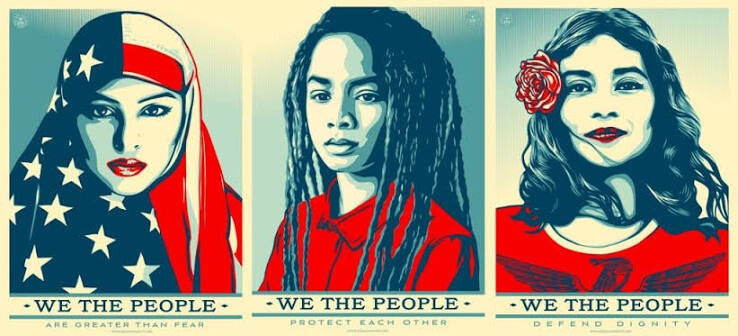
Overview of Forced Migration Connection to Immigration Law
It Contemporary Intersection: Recent political discourse internationally also connects historical accountability for slavery to modern visa and immigration policies, such as proposals by political groups like the UK's Reform party to restrict visas based on state demands for transatlantic slave trade reparations

Professional services
Birthright Citizenship: Legal scholars argue that historical familiarity with unauthorized migrants during the slave trade era informed the drafting of the Fourteenth Amendment, confirming birthright citizenship for children born on U.S. soil regardless of parental status Contemporary Intersection: Recent political discourse internationally also connects historical accountability for slavery to modern visa and immigration policies, such as proposals by political groups like the UK's Reform party to restrict visas based on state demands for transatlantic slave trade reparations
What we do
We the People of the United States, in Order to form a more perfect Union, establish Justice, insure domestic Tranquility, provide for the common defense, promote the general Welfare, and secure the Blessings of Liberty to ourselves and our Posterity, do ordain and establish this Constitution for the United States of America.
