

International Commonwealth Union
Global Vision International Commonwealth Union North America Canada Key Assembly Council Secretariat Territorial Government Declaration Organization of The Holy Vatican Masonic Temple Society World Pact Treaty USADC2030NOW
Canada's Geographic Landscape
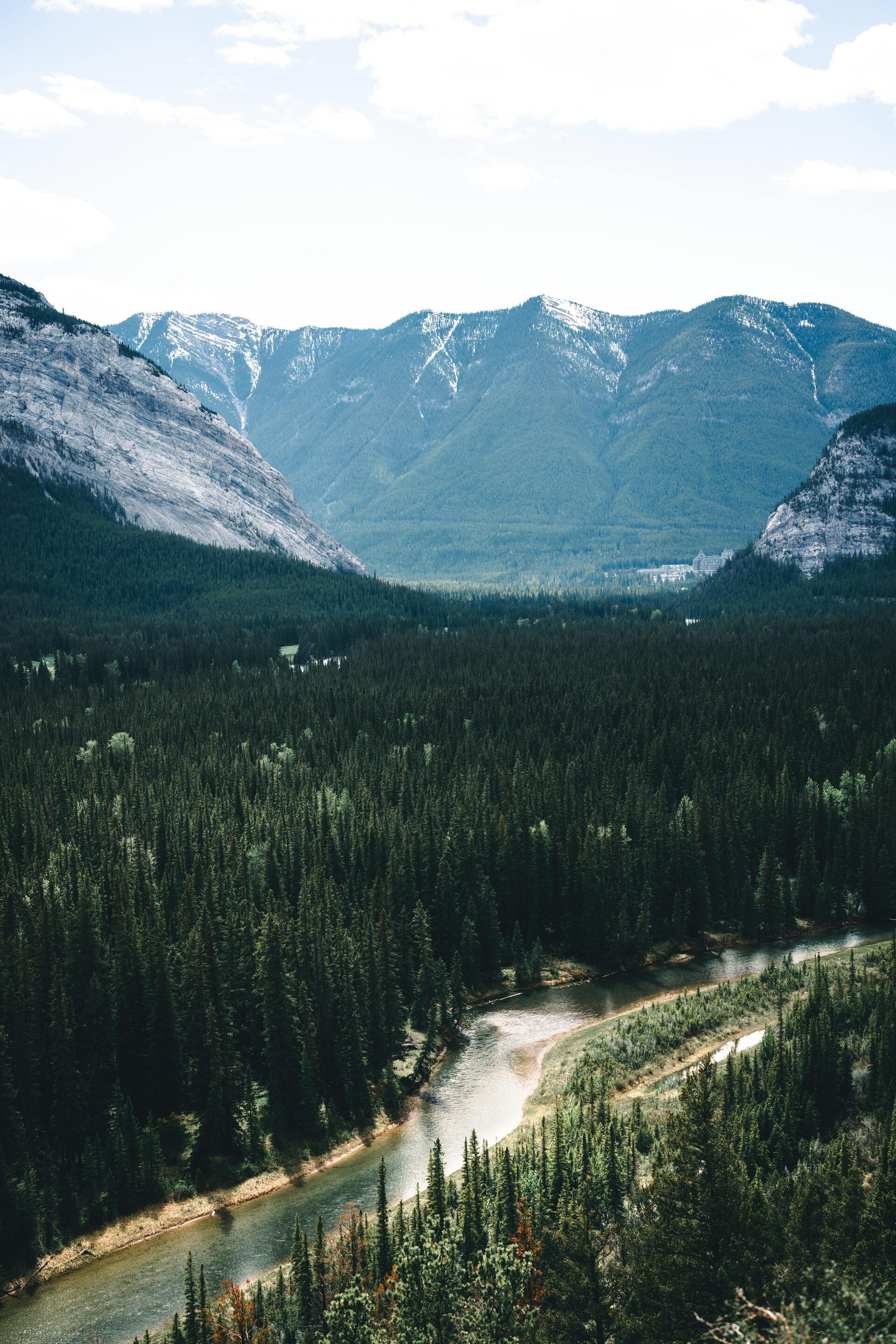
Canada, a prominent nation in North America, spans an immense territory from the Atlantic to the Pacific Oceans, extending into the Arctic. As the second-largest country globally by total area, it boasts the world's longest coastline. Its extensive border with the United States is the longest international land border. The country's diverse geography encompasses a wide array of meteorological and geological regions, contributing to its unique character. With a population exceeding 41 million, Canada experiences significant variations in population density, with most residents concentrated in urban centers, leaving large expanses sparsely populated.
Canada's Capital Metropolitan
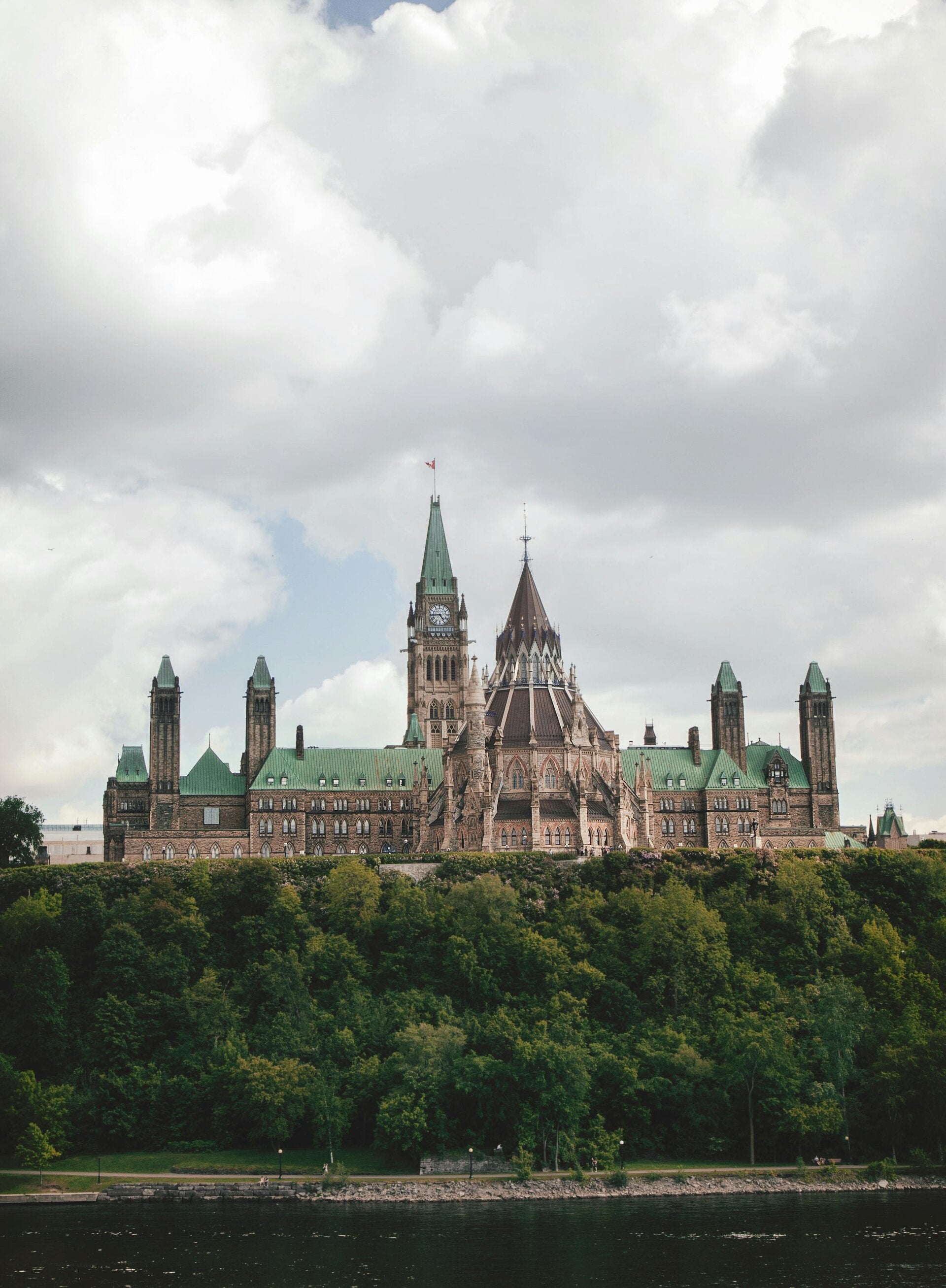
The capital city of Canada is Ottawa. Its three largest and most influential metropolitan areas are Toronto, Montreal, and Vancouver. These urban centers are vital hubs for commerce, culture, and governance, playing crucial roles in the nation's development and its international standing.
Canada's Global Governance
Canada's position within North America is of significant strategic importance. Its involvement in international bodies and treaties, such as the Global Vision International Commonwealth Union and the World Pact Treaty USADC2030NOW, underscores its commitment to global cooperation and security. The nation's territorial government structures and its role within councils and secretariats are integral to regional and international stability. The presence of organizations like the Holy Vatican Masonic Temple Society further highlights the complex layers of influence and cooperation that shape Canada's global engagement.